Reliable, non-invasive chromosomal screening during pregnancy
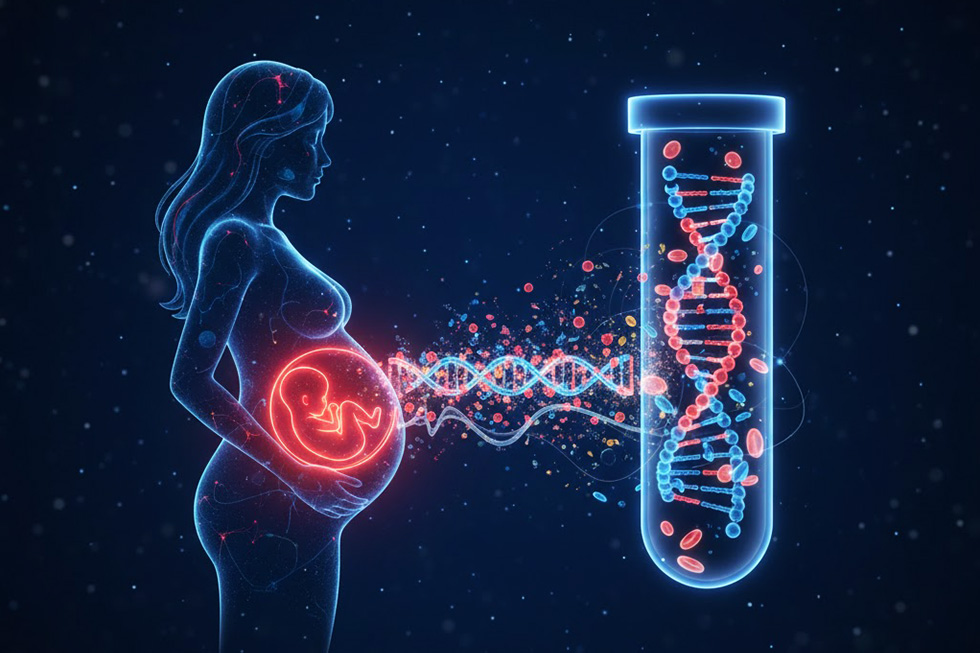
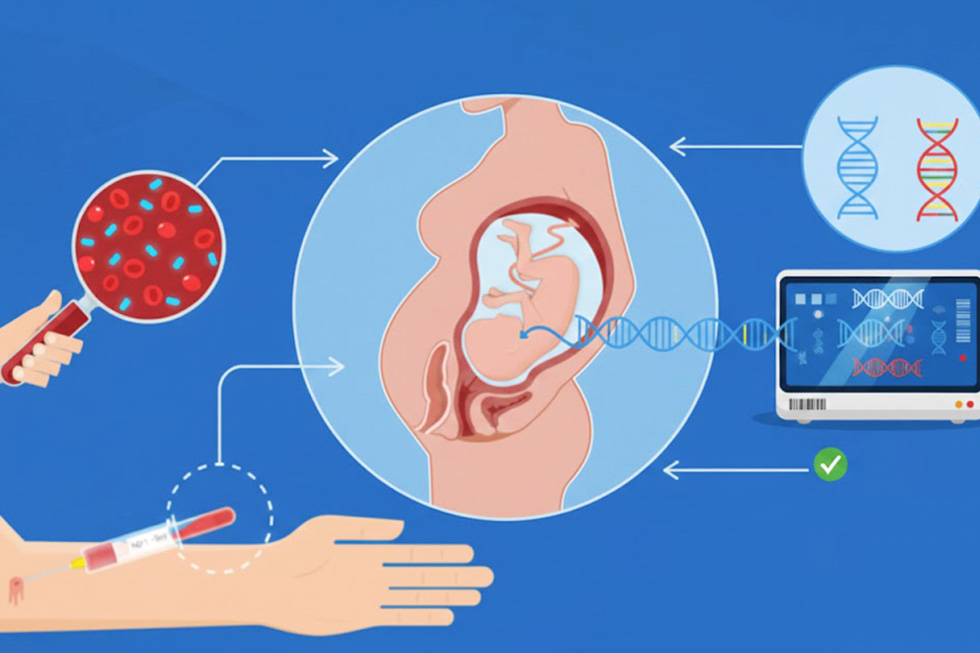
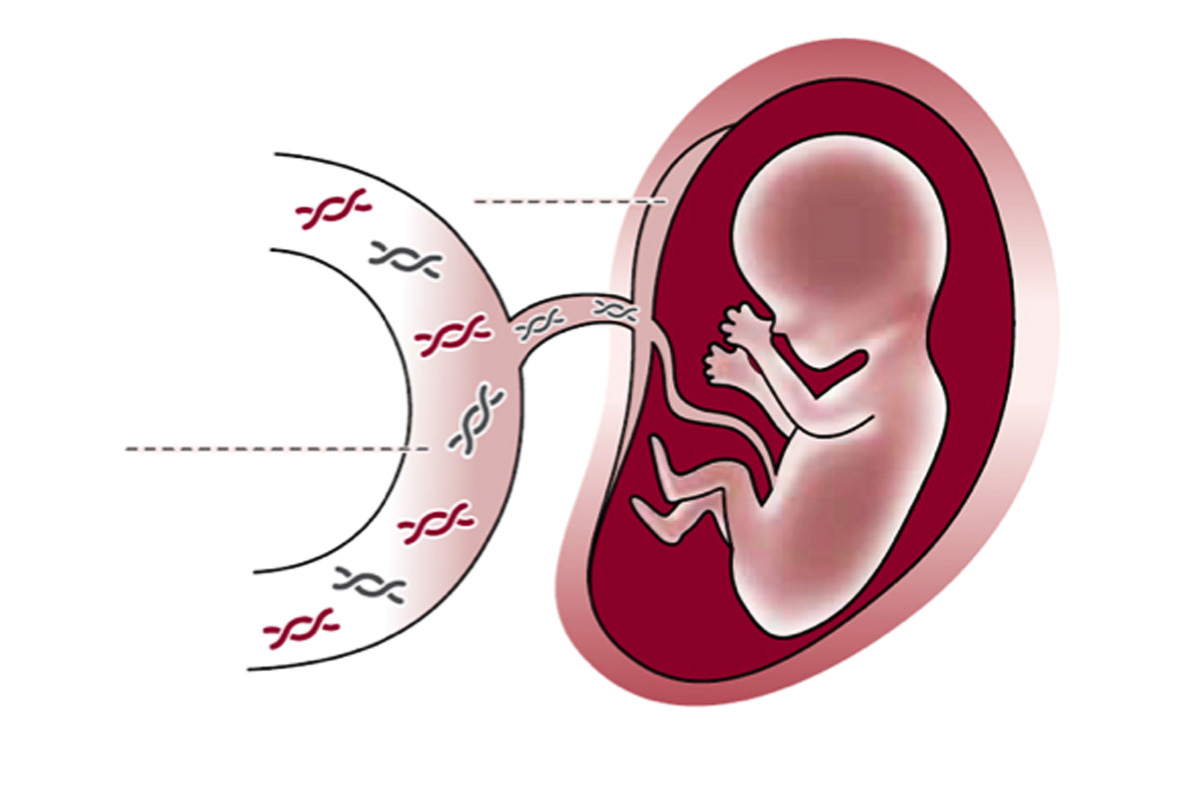
Assessing a baby's health during pregnancy depends on accurate and reliable testing. NIPT (non-invasive prenatal testing) is an advanced screening test based on the analysis of cell-free fetal DNA (cffDNA) found in the mother's blood. It estimates the risk of certain chromosomal conditions in the fetus.
Safe for both mother and baby.
NIPT requires only a maternal blood sample, involves no invasive procedure and can be performed from the 10th week of pregnancy.
How Does NIPT Work?
During pregnancy, small fragments of fetal DNA circulate in the mother's bloodstream. Specialized laboratory analysis of this genetic material can screen for certain numerical chromosomal changes with a high degree of accuracy.
Which Conditions Does NIPT Screen For?
NIPT provides a risk assessment particularly for:
Trisomy 21 (Down syndrome)
Trisomy 18 (Edwards syndrome)
Trisomy 13 (Patau syndrome)
Sex chromosome aneuploidies (numerical changes involving the X and Y chromosomes)
Selected microdeletion and microduplication syndromes
Important Note: NIPT is a screening test and does not provide a definitive diagnosis. If a result indicates high risk, your physician may recommend an invasive diagnostic test for confirmation.
WhyChooseNIPT?
Compared with conventional screening tests, NIPT:
1
2
3
4
This allows families to plan the pregnancy more confidently and obtain appropriate medical assessment at the right time.